Tata Nano EV 2026: A budget EV story is blowing up because it hits the exact poor-family pain point—petrol expense and rising commute cost. The 420Km range number makes people calculate weekly charging instantly, because a long range reduces charging stress for daily use. The ₹3,499 EMI line spreads fast because it sounds like a reachable monthly outgo for households that plan expenses tightly. A small EV format also feels practical for crowded city lanes and tight parking where bigger cars become stressful. That is why this topic is moving so quickly, because families imagine fixed EMI plus low running cost in one simple math.
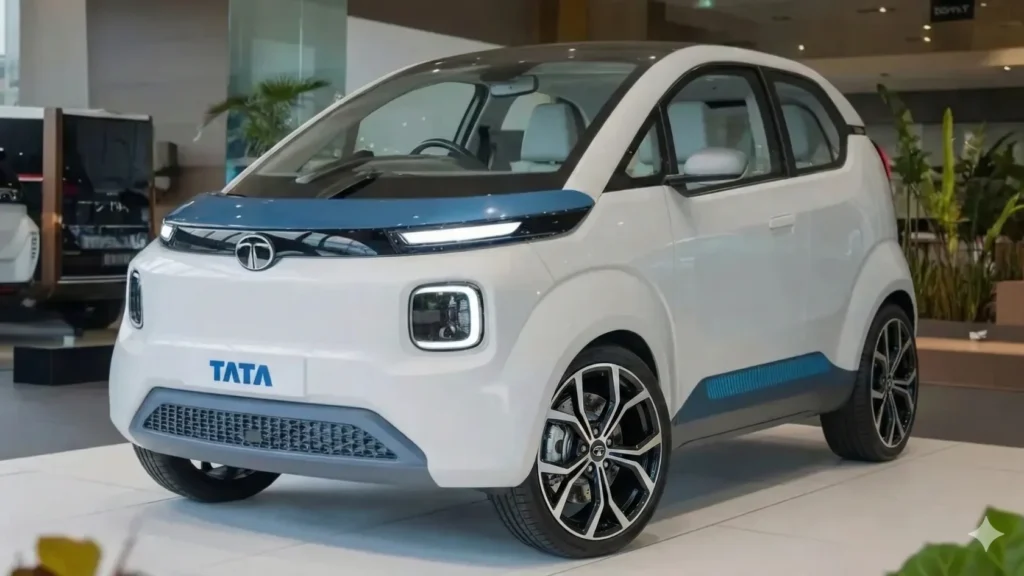
Modern Design and Stylish Exterior
Nano EV keeps a compact city-first footprint, and the focus stays on practical styling that works in narrow streets and apartment parking. A clean front profile with EV-style design cues gives it a fresh identity without adding repair complexity. LED lighting and a simple bumper layout improve visibility and keep maintenance practical. Ground clearance and underbody protection matter because budget localities often have rough patches and tall speed breakers. A compact EV also needs strong panel fit and durable paint because city parking brings daily scratches and minor bumps. The best exterior value is simple: easy to drive, easy to park, and tough enough for daily use.
Interior and Cabin Experience
Inside, the target is practical comfort for short city trips, school drops, and daily errands. Seat cushioning and upright posture help in stop-go traffic, and the cabin layout stays simple so first-time car owners feel comfortable. A digital cluster showing speed, battery percentage, and remaining range in Km becomes essential because range planning decides confidence. Storage spaces for bottles and small bags improve day-to-day usability. AC efficiency matters because AC usage impacts EV range, so cooling performance and fan strength become real value points. For poor families, the cabin must feel durable and easy to maintain, not complicated.
Battery and Driving Range
A 420Km range number changes charging frequency planning immediately. At 20Km per day, 420Km equals 21 days per charge, and at 30Km per day it equals 14 days on paper. Real-world range depends on traffic, speed, tyre pressure, passenger load, road gradient, and AC usage, so mixed city use typically settles below the top figure. The practical win is fewer charging days per month and a predictable routine that replaces petrol refills. Warranty clarity on battery matters because battery is the highest-cost component, and long-range ownership feels safe only when warranty support is strong.
Charging and Performance
A city EV works best when it can charge from a normal home socket, because most budget buyers will charge overnight. Charging time depends on battery size and charger power, but the real requirement is safe and consistent charging without overheating. Performance in this segment is about smooth 0–50Km/h pickup for traffic gaps, not high speed. Stable braking, predictable steering, and a suspension that absorbs potholes decide daily comfort. For families upgrading from two-wheelers, calm control and safe handling matter more than power figures.
Safety and Technology Features
Budget EV buyers still expect essential safety and daily-use tech. Strong braking stability and tyre grip matter because city traffic brings sudden stops. A clear display reduces distraction and helps range planning. Parking support features like sensors or a camera make tight-lane driving easier if offered. Strong headlamp visibility helps early morning and evening use. Service reach and spare availability matter because downtime becomes a direct routine problem for low-income households. Warranty clarity for battery and motor protects the ownership math, because surprise repairs destroy the savings story.
Price and Availability in India
Tata Nano EV 2026 is being discussed with a ₹3,499 EMI plan, and that number becomes possible with long tenure and a solid down payment structure. On a 60-month plan at 12.00% interest, ₹3,499 EMI supports a loan amount of about ₹1,41,000, so if the on-road price is ₹3.50 lakh the down payment must be around ₹2.09 lakh, and if the on-road price is ₹4.00 lakh the down payment must be around ₹2.59 lakh. With electricity at ₹8 per unit and a typical EV running cost band around ₹1.0–₹1.5 per Km depending on efficiency and tariff, 1,000Km monthly use can sit near ₹1,000–₹1,500, which is why the ₹3,499 EMI plus 420Km range talk is being treated as a serious poor-family EV dream plan.